
Women in Punk: Three Icons of Self-Expression


Punk music is a vessel for anti-establishment ideals, including advocacy for self-expression, gender expression and sexual liberation.
Emerging in the mid-1970’s Punk is more than a music genre. Punk is an ethos, mentality, style, music style and a way of life. This raw form of rock music emerged in the mid-1970s as young people challenged prevailing social norms, including expectations of conformity, conventional career paths, and traditional expressions of gender and sexuality.
The Punk movement was particularly key in allowing young people to express their revolutionary ideals, encouraging the questioning of authority and traditional social norms within a patriarchal culture. Rather than promoting a singular ethos or agenda, the punk movement was characterised by rejection of established ideals and placed emphasis on individual expression. As a result, the oppositional mentality embedded within the Punk movement created opportunities for musicians to challenge expectations of gender and identity, creating an environment that facilitated unprecedented expression for female musicians.
Ultimately, the movement created a bubble outside of mainstream music in which both male and female musicians could explore gender expression and representation within music culture.
One of the most notable names in pop music is Iggy Pop, the founder of The Stooges, the artist has been referred to as the "Godfather of Punk" for decades. However, since Iggy Pop first tore up a dive bar with his energetic music, many female musicians have revelled in the Punk mentality. These women are icons of sexual liberation, gender expression and feminism.
Here are a three female musicians that are well known names within the Punk scene:
Siouxie Sioux
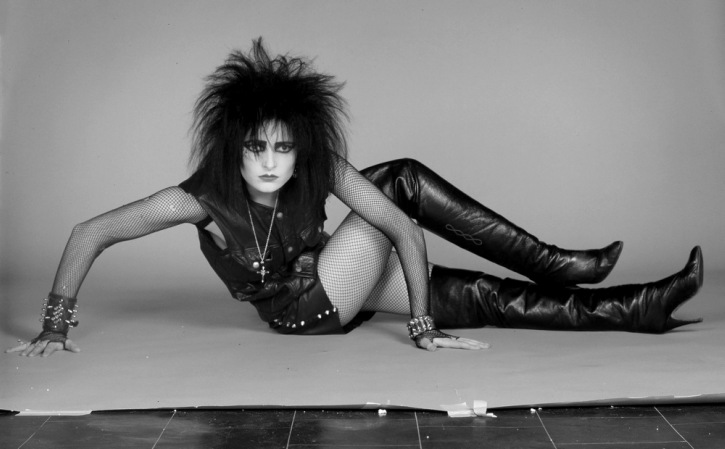
Lead singer and main lyricist of Siouxie and the Banshees. A member of LGBTQ+ community, famously stated in an interview that gender was never a constraint for her. The singer has maintained a large LGBTQ+ following throughout her career.
Patti Smith
American singer, songwriter, poet and author. Her debut album Horses made her a highly influential member of the New York City punk rock movement. Other notable members at the time were names such as Lou Reed, Nico and John Cale. The album cover for Horses has frequently been discussed for Smith’s androgynous style. The cover challenged conventional expectations of how female musicians, even within the punk scene, were meant to look in the mid 1970’s. Rather than pandering to prevailing gender expectations, Smith adopted an image that combined traditionally masculine and feminine elements.
Sinéad O’Connor

O’Connor may not have been a punk in the music sense, but many agree she is a true punk. O’Connor stood proudly and unashamedly for her beliefs and enacted those beliefs at times to the detriment of her music career. One of her most notable acts of defiance was when the singer appeared at the 1989 Grammy awards sporting the Public Enemy logo on the side of her shaved head. The singer felt great affinity with black music and wanted to protest the Recording Academy's decision to not televise the first ever Best Rap Performance category. Once, she said: “I’m a punk, not a pop star.”


